
EMDR Therapy for Trauma, Anxiety & Lasting Relief
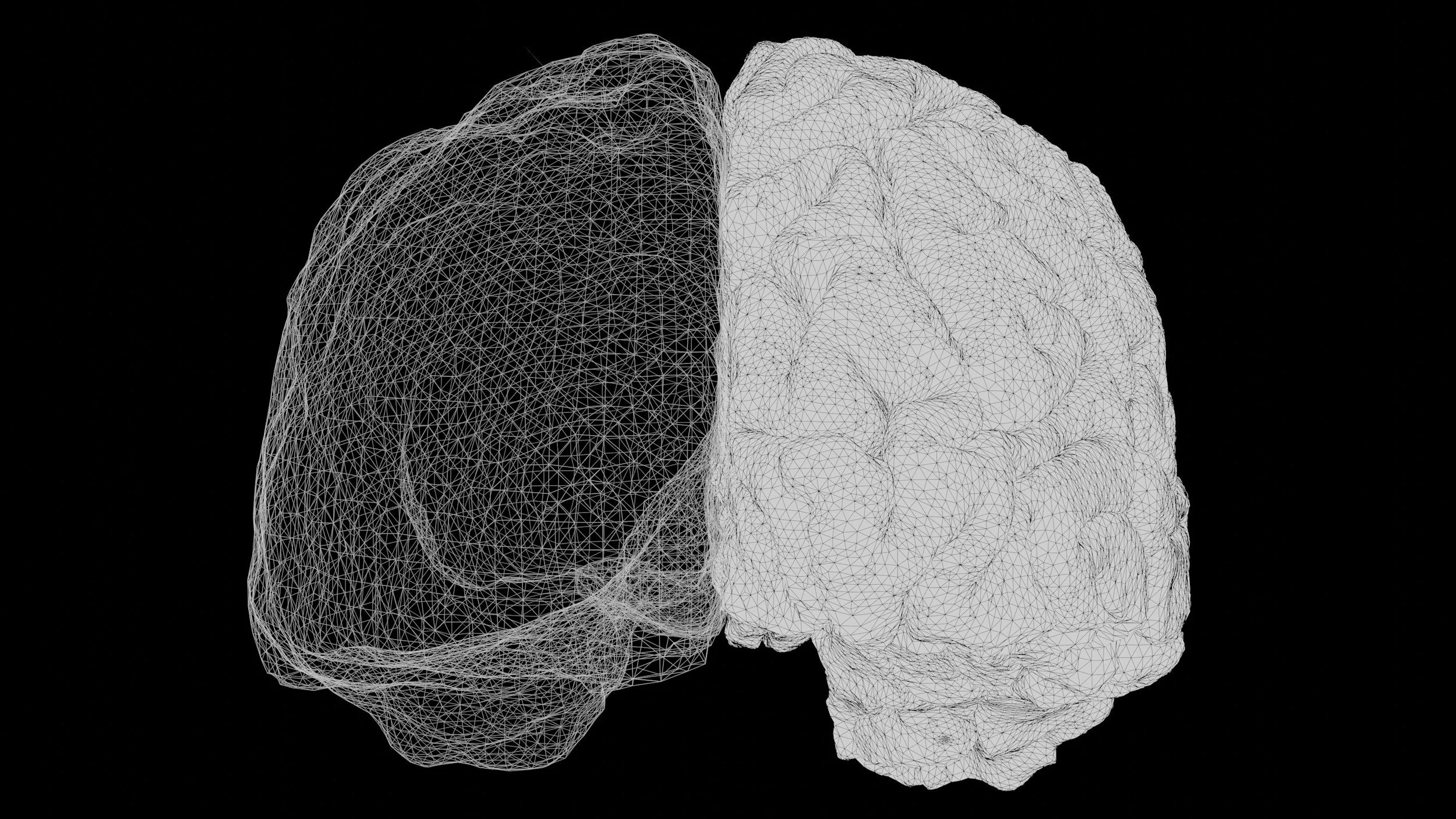
EMDR therapy (Eye Movement Desensitization and Reprocessing) is a powerful, evidence-based approach that helps your brain process and release distressing experiences so they no longer control your life.
EMDR therapy is a structured, research-backed psychotherapy designed to help people recover from trauma, anxiety, and other distressing life experiences.
Rather than focusing only on talking through problems, EMDR works directly with how memories are stored in the brain. Using guided bilateral stimulation, EMDR helps your brain reprocess difficult experiences so they feel less intense and overwhelming.
Over time, memories that once triggered anxiety, fear, or shame begin to feel more distant and manageable.
What It Is

How EMDR Therapy Works
When something overwhelming happens, your brain may not fully process it. Instead, the memory can get “stuck,” along with the emotions, beliefs, and body sensations that came with it.
EMDR therapy helps your brain complete that unfinished processing.
During sessions, you’ll briefly focus on a distressing memory while engaging in bilateral stimulation. This allows your brain to:
Reduce the emotional intensity of the memory
Shift negative beliefs (e.g., “I’m not safe” → “I’m in control”)
Release stored stress from the body
Integrate the experience in a healthier way
Signs EMDR Therapy May Be Right for You

You might benefit from EMDR if you notice:
Intrusive memories, flashbacks, or nightmares
Feeling “on edge” or easily overwhelmed
Avoiding certain places, people, or situations
Strong emotional reactions that feel out of proportion
Difficulty letting go of past experiences
A sense of being stuck despite trying other therapies
The 8 Phases of EMDR Therapy

EMDR follows a structured approach to ensure the process is safe, effective, and personalized:
History & Treatment Planning: Understanding your story and goals
Preparation: Learning grounding and coping skills
Assessment: Identifying target memories and beliefs
Desensitization: Reprocessing distressing experiences
Installation: Strengthening positive beliefs
Body Scan: Releasing lingering physical tension
Closure: Returning to a calm, grounded state
Reevaluation: Tracking progress and adjusting as needed
What to Expect in Your First Session
Explore your history and current challenges
Identify patterns and triggers
Clarify your goals for therapy
Begin building tools to help you feel grounded and safe
You won’t be pushed into processing before you’re ready. The pace is always guided by your comfort and readiness.
Frequently Asked Questions
-
It varies. Some people experience relief in a few sessions, while others benefit from longer-term work depending on the complexity of their experiences.
-
No. EMDR does not require you to describe every detail of your trauma.
-
Yes. EMDR is one of the most researched trauma therapies and is widely recognized as an effective treatment for PTSD and related conditions.

Virtual EMDR Therapy
Virtual EMDR uses adapted techniques that are just as effective and accessible from the comfort of your home.